


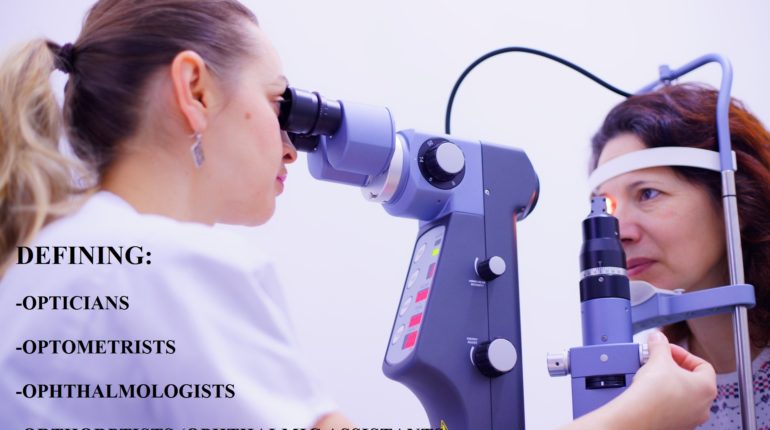
Opticians | Optometrists | Ophthalmologists | Orthoptists (Ophthalmic Assistant)
What is the difference between opticians, optometrists, ophthalmologists, orthoptists?
If you are experiencing any eye problem, it is always good to visit an eye doctor as soon as possible even if you think it is nothing. Don’t wait to see if the eye problem becomes severe or less severe over the next couple of days; you might be risking permanent damage. Also, some eye conditions are better or easily treated early; if you wait, you might end up requiring extensive treatment, for example, eye surgery.
When looking for an eye doctor, you might come across the terms optometrists, opticians, ophthalmologists and orthoptists. These are all eye doctors, but they have different specializations.
An Optometrist
This is the eye doctor you are supposed to visit if you are experiencing any eye problems. He or she is skilled enough to carry out eye tests or an eye exam to determine the root cause of your problems.
There are mainly two kinds of eye tests or eye exams:
- Reading various numbers and letters on a chart when seated or standing at a particular distance from the chart (see images below).
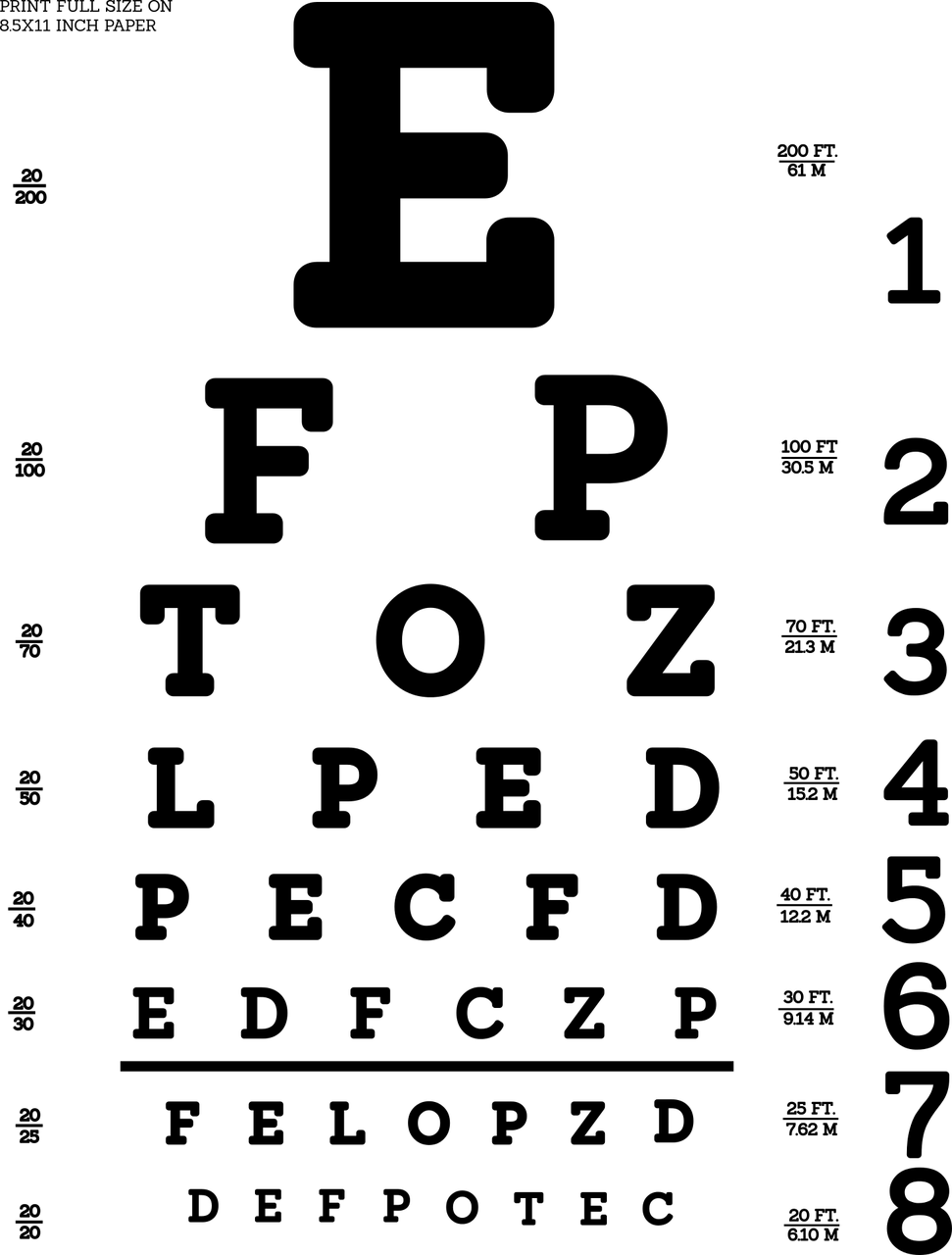
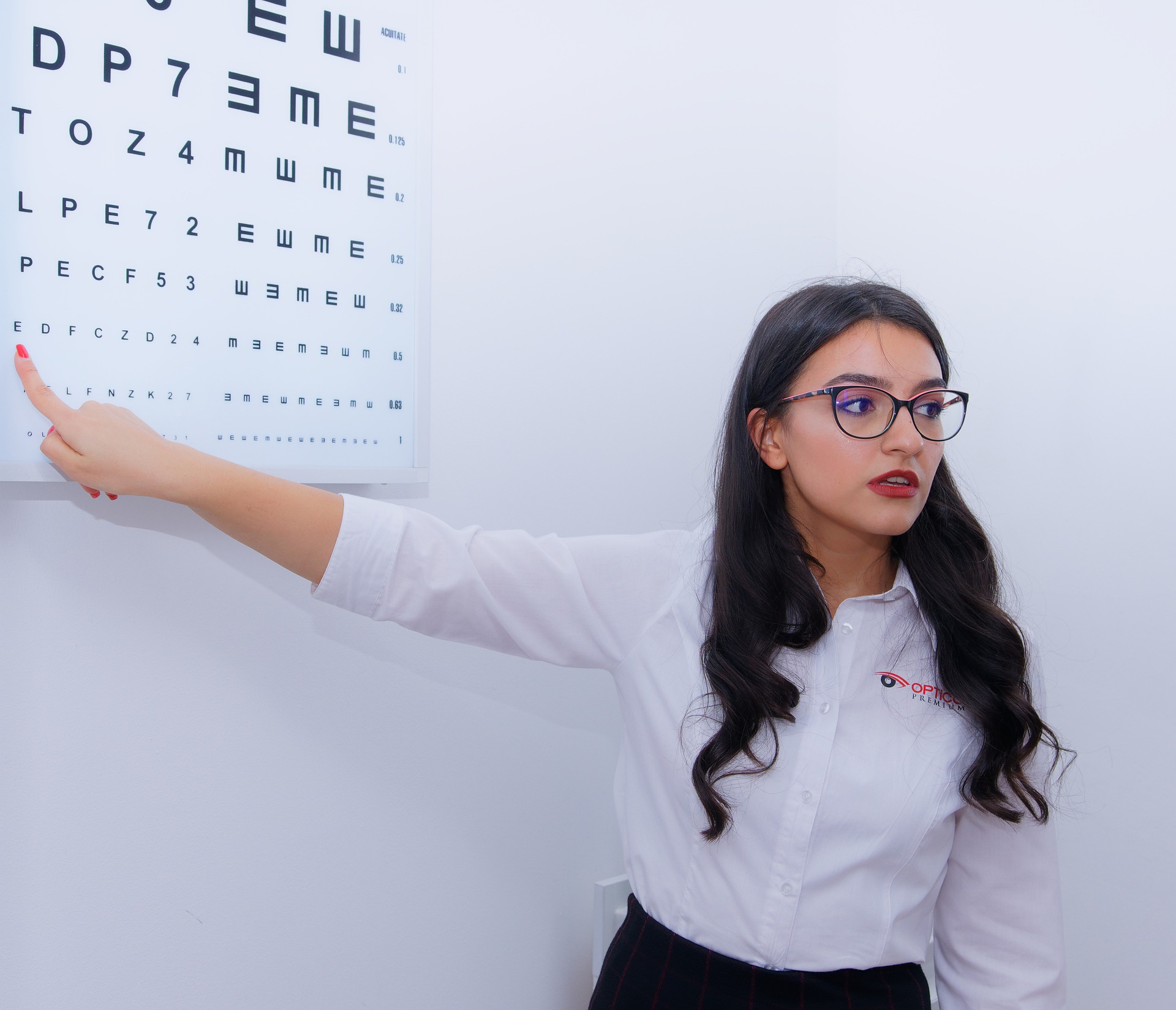
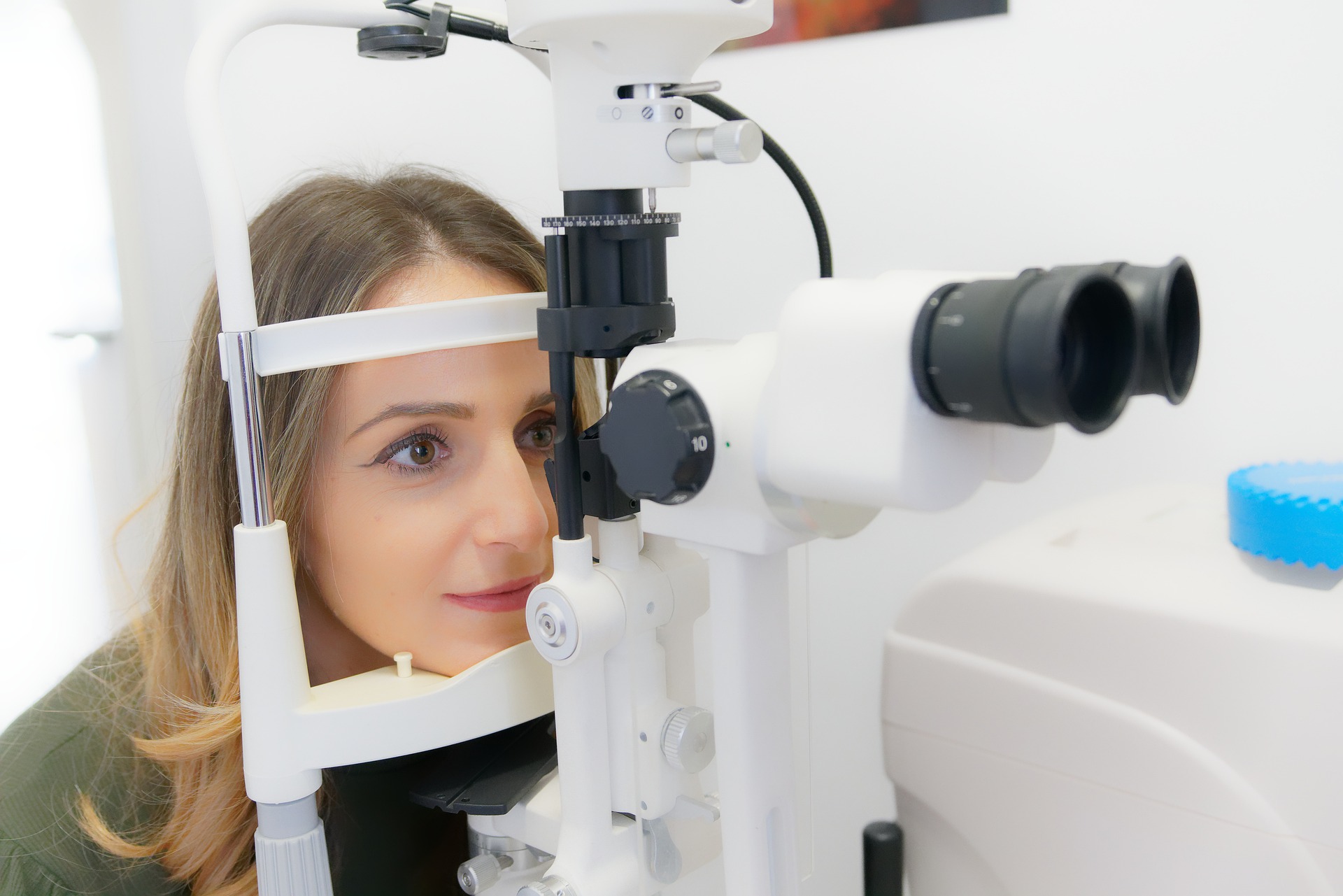
- The optometrist can also ask you to sit on the opposite end of a particular instrument (resembles a microscope) while he or she sits on the other end. You are asked to look straight through a lens so that the optometrist can inspect your eye. The lens simply magnifies your eye for better viewing (see images below).
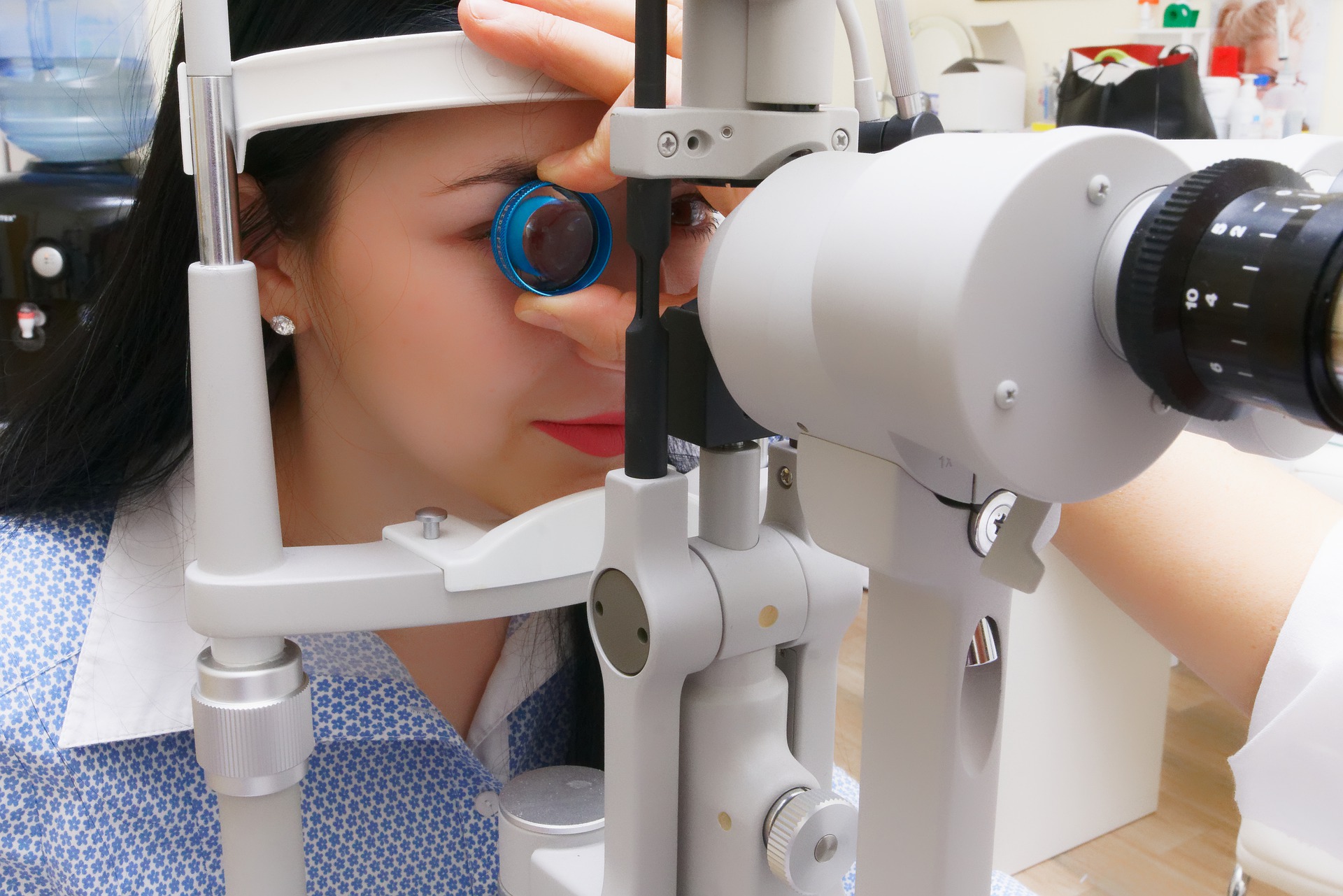
What Happens After the Tests?
The optometrist comes up with a diagnosis. You can either be diagnosed with:
- A refractive error – this means that you are either short or long-sighted and need prescription glasses or contact lenses. The optometrist writes down a prescription form indicating the kind of glasses you need. You are then referred to an optician. Show the optician the prescription form so that he or she can design or fit you with prescription glasses.
- A serious eye condition that requires a more advanced eye doctor – You will be referred to an ophthalmologist, who is the eye doctor qualified enough to handle serious eye conditions that might require surgery.
- A less severe eye condition that can be treated with medication – the optometrist can provide medication in the form of eye drops or tablets.
Opticians
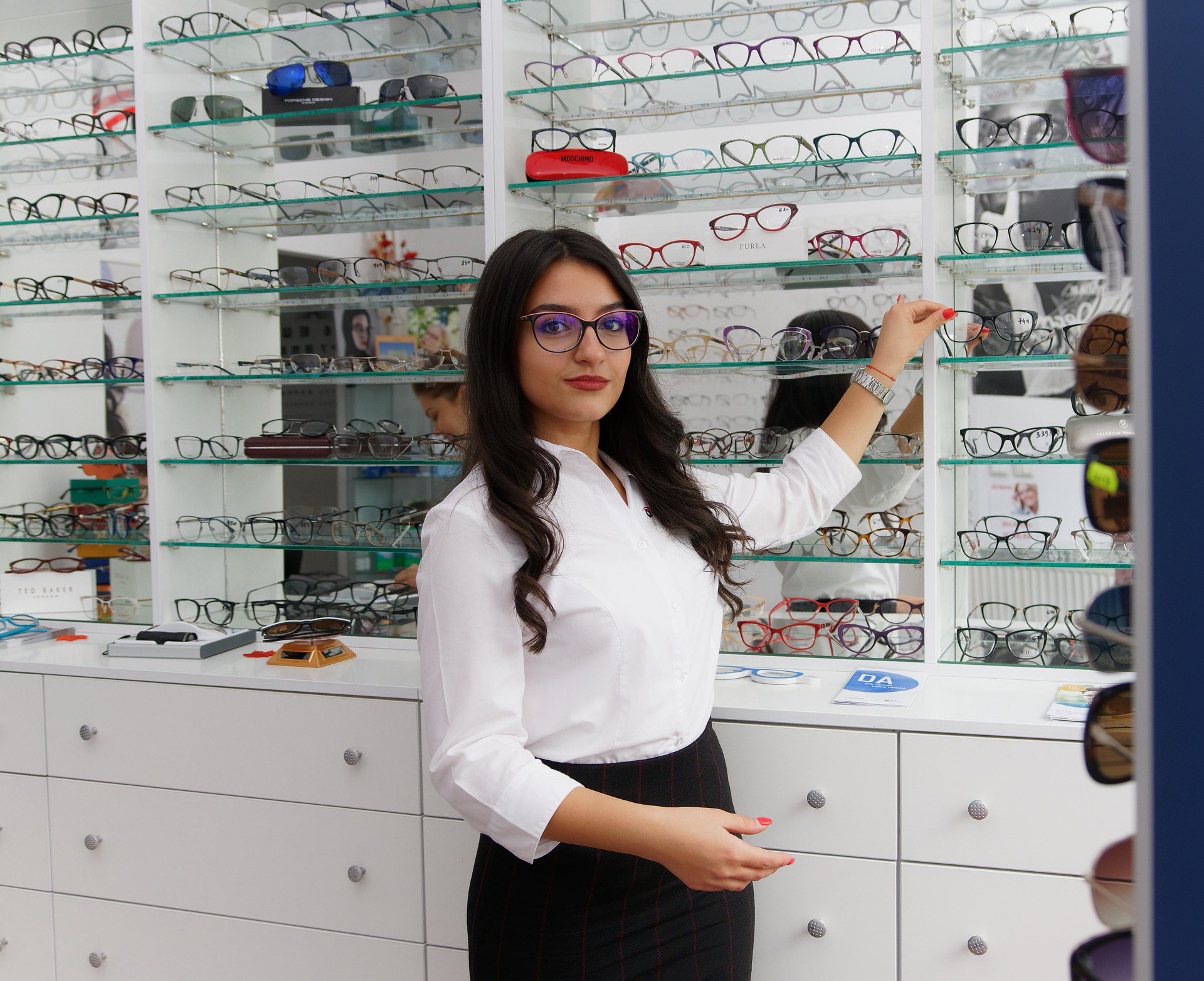 Opticians are mainly responsible for designing or fitting you with prescription glasses. They, however, require a prescription form from a qualified optometrist. You cannot be fitted with prescription glasses without the prescription form.
Ophthalmologists
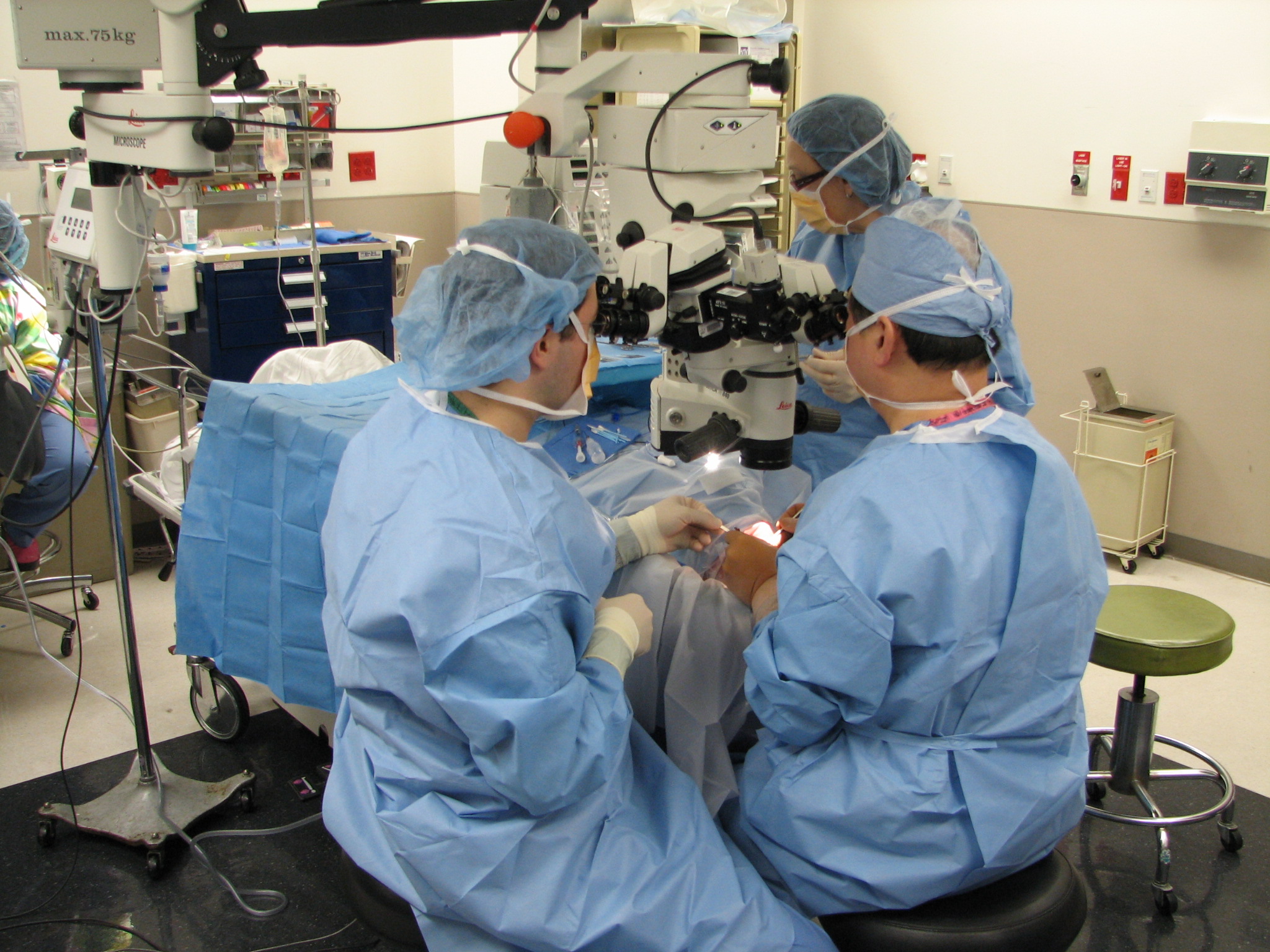
Credit: Columbia Edu Arma Lab

Ophthalmologists are also referred to as eye surgeons. They can carry out the work of an optometrist, but their specialty is eye surgery and treating and managing advanced eye conditions.
Orthoptists
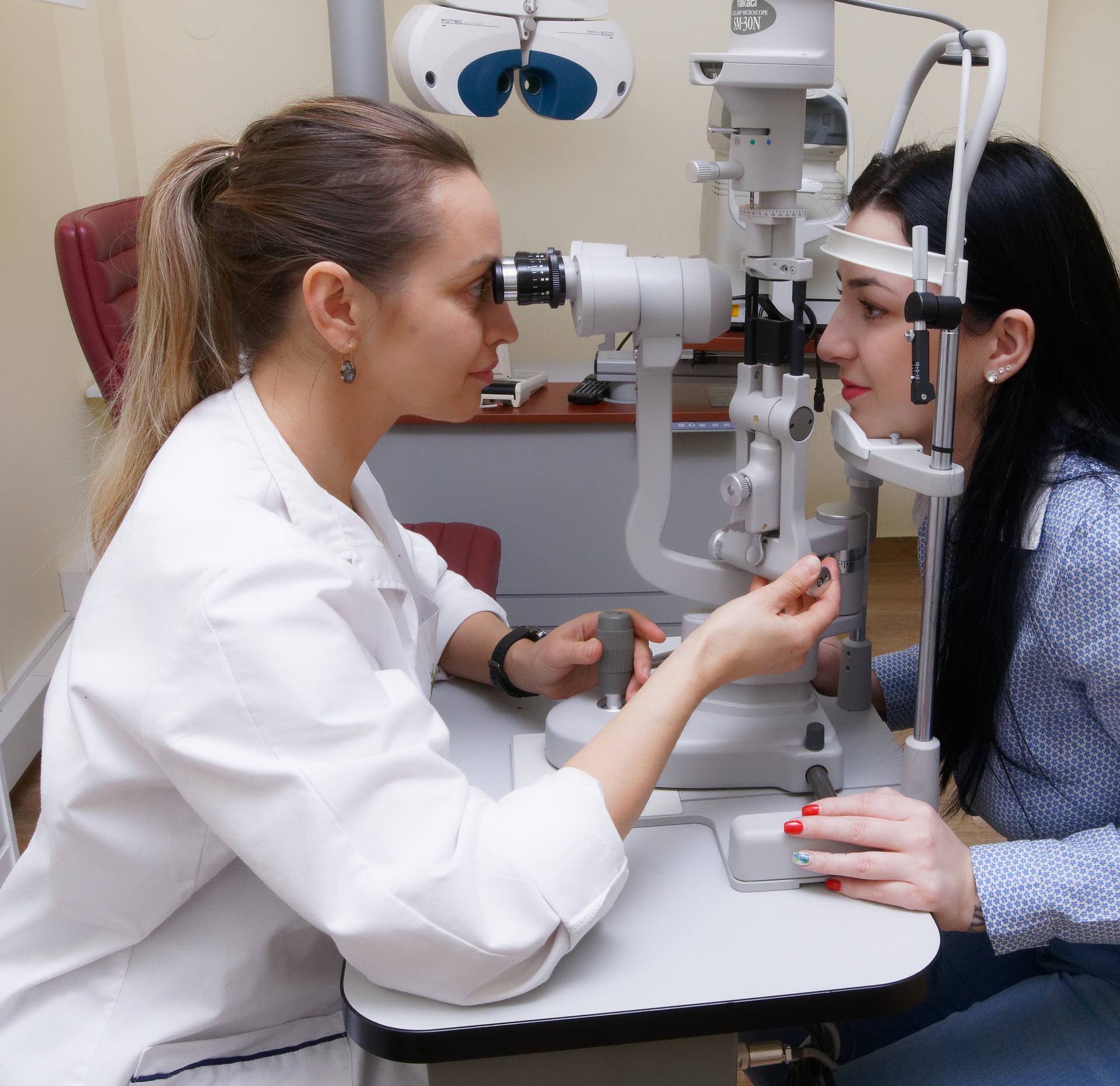 Orthoptists are simply optometrists, who are located in the ophthalmologist’s clinic. Their work is to assist ophthalmologists; that is why they are also referred to as ophthalmic assistants.